At the 1st National Symposium and Roundtable for Action on Chronic Non-Communicable Diseases (NCDs) in Cameroon, taxation emerged as a central pillar in advancing public health. Under the theme “Financing Health and Prevention through Fiscal Policies in Cameroon,” the discussions highlighted the urgent need to adopt effective fiscal measures to curb the rising burden of diet-related diseases.
The symposium brought together policymakers, researchers, civil society actors, and international partners to examine how a tax increase on sweetened beverages (SBs) and ultra-processed products (UPPs) can simultaneously improve population health and generate sustainable revenue.
Opening the session, Dr. Mapa Clarisse provided a comprehensive analysis of Cameroon’s health tax landscape. Her presentation underpinned the growing consumption of unhealthy products and the limited use of fiscal tools to address this trend. She emphasized that while Cameroon has made progress in health promotion, taxation remains underutilized as a preventive strategy.
A key highlight of the symposium was the presentation by Ferdinant Sonyuy on evidence-based advocacy for Health Taxes in Cameroon, its objective, and considerations for health, revenue, and effective Tax designs. This presentation emphasized that taxation is one of the most effective strategies in public health. Drawing from global evidence, including insights from the World Health Organization (WHO), he stressed that meaningful impact requires bold action: “If a product is causing health problems, it cannot be taxed lightly.”
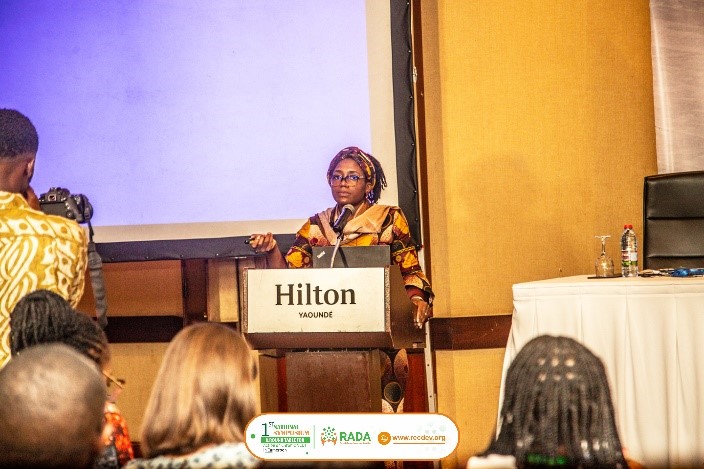
He emphasized that the primary objective of health taxation is to improve health outcomes not merely to generate revenue. However, when properly designed, such policies create a triple“win-win-win” scenario: reducing disease burden, lowering healthcare costs, and increasing government revenue to address broader development challenges.
Sonyuy outlined key factors for effective tax design, including using appropriate tax structures, significantly increasing tax rates, linking price increases to reduced consumption, and targeting harmful products specifically. He also stressed the need for complementary regulations, such as restricting access to unhealthy products in schools and public institutions to better protect vulnerable groups.
The next presentation was on the Economic Benefits and Fiscal Implications of Taxation of SB and UPPs in Cameroon. From an economic perspective, Professor Ndamsa Dickson demonstrated that taxing unhealthy products can yield significant fiscal and health gains. By increasing the prices of sweetened beverages and ultra-processed foods, consumption patterns can shift toward healthier alternatives. At the same time, the additional revenue generated can be reinvested into the health system, supporting prevention and treatment of NCDs.

Evidence from the Knowledge, Attitudes, and Behaviors (KAB) study presented by Chenwi Claris revealed encouraging levels of public awareness and support for health taxes across nine regions of Cameroon. The findings suggest that, with proper communication and transparency, taxation policies are likely to gain public acceptance.
A critical challenge discussed during the symposium was industry interference. Dr. Adeolu Adebiyi highlighted how vested commercial interests often resist regulatory measures through lobbying and misinformation. He called for strong political will, transparency, and safeguards to protect public health policies from undue influence.

The high-level roundtable that followed emphasized the relevance of taxation as a tool to reduce consumption of harmful products. Participants agreed that increasing prices through taxation is one of the most effective ways to influence consumer behavior and reduce NCD risk factors. The discussion also reinforced the need for intersectoral collaboration, particularly between health, finance, and trade sectors.

In conclusion, the second day of the symposium made it clear that the taxation of unhealthy products is not merely a fiscal measure but a public health necessity. Cameroon stands at a critical juncture where bold policy decisions can significantly reduce the burden of NCDs while strengthening domestic resource mobilization. Moving forward, success will depend on political commitment, sustained advocacy, and the ability to translate evidence into actionable policies. By leveraging taxation as a preventive tool, Cameroon can take a decisive step toward protecting its population while building a healthier future.

Prepared by: RADA’s Communication Team