Global Week for Action on Non-communicable Diseases (NCDs) 2026
“The biggest public health victories are often invisible. When prevention works, a heart attack never happens, a stroke never occurs, and a family never loses a loved one too soon,” said Ferdinant M. Sonyuy, CEO of RADA.
The countdown to the Global Week for Action on non-communicable diseases (NCDs) is fast approaching, running from the 31st of August to the 04th of September, a chance to stand in solidarity with the millions of people living with NCDs, including heart disease, cancer, diabetes, and chronic respiratory conditions.
According to the World Health Organization, NCDs account for 74% of deaths yearly, while reports from Cameroon’s Ministry of Public Health show that NCDs accounted for about 55% of deaths in 2025. While NCDs account for a large share of the global health burden, they continue to receive insufficient attention and funding. This week is an opportunity for us to raise our voices collectively to call for stronger prevention, equitable access to treatment, and the care people with NCDs need.
WHEN
31st August to 4th September
8:00 am- 4:00 pm
WHERE
Bamenda, Cameroon, hybrid (physical and virtual event)
More information
NCDs affect millions of people in the world today, but together we can change that by taking action on NCDs for prevention and treatment. Be part of our event by:
Be part of our workshop on the 02nd of September from 9:00 am to 10:00 am at our main office at Way in Mobile-Nkwen, Bamenda, 3rd floor, Quiferou building
Engage with our social media campaign daily. Follow us on our different social media platforms
Facebook: @recdeva
Instagram: @recdeva
Twitter: @recdefcameroon
LinkedIn: Reconciliation and Development Association (RADA)
YouTube: Reconciliation and Development Association (RADA)
TikTok: @recdevcameroon
Be part of our media tour on Anco Radio, FM 97.5. The time and date will be communicated on our social media handles
When “Goodwill” Comes with Strings Attached: What RIIMROP Uncovered About Big Food’s and Beverage Playbook in Cameroon, January- March, 2026
Picture this:a well-known food or beverage brand sponsors a community health walk, funds a school feeding program, or partners with a local entrepreneurship event. It looks generous. It feels like progress. But what if these same gestures are quietly shaping the policies meant to protect us from the very products these companies sell?
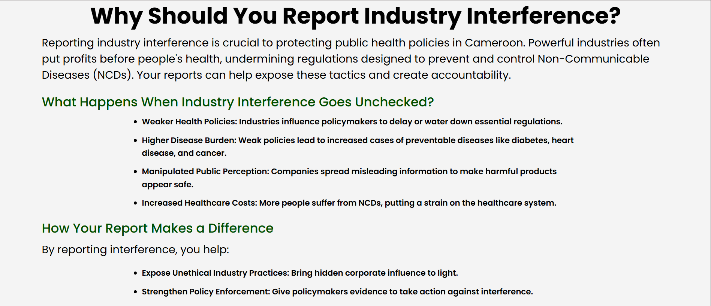
This is the reality RADA is confronting through its Industry Interference Monitoring and Orientation Platform (RIIMROP). Industry interference is not a distant, abstract concept; it’s happening in our communities, in boardrooms and public offices, on our social media timelines, and in the very rooms where decisions about our food and health are made. It refers to the deliberate ways commercial actors work to influence public policy, research, or public opinion to protect their profits, often at the expense of the public’s health.
Between January and March 2026, RIIMROP tracked 24 such actions in Cameroon, moments when corporate social responsibility campaigns, regional partnerships, and strategic communication worked to build public trust for the companies while empowering them to quietly chip away at the evidence and population-based healthy interventions Cameroonians need most such as telling the people that the products they sell, are causing them the very health challenges that they sponsor youth sports events, health events, to claim to avert.
Here’s what makes this especially concerning: much of this influence doesn’t look like interference at all. It looks like a partnership. Like community support. Like good corporate citizenship. But behind many of these gestures is a strong conflict of interest that, when exposed, they resist in boardrooms, public decision-making fora, and amplify privately by influencing policymakers who are exposed to them to delay or weaken policies that the population’s health needs. We are talking about producers of drinks high in sugar, salt, trans fats, and other harmful nutrients harming our children and youthful population but standing. This quarterly report found a pattern of activity concentrated among a handful of major companies, played out largely through digital platforms, shaping how everyday Cameroonians think about food, health, and who’s really looking out for them. A perfect case of areas where you can find covert and indirect interference.
The stakes are real. When commercial interests rather than evidence shape the decisions meant to prevent diabetes, obesity, and cardiovascular disease, it’s ordinary families who pay the price, and most often for generations before action is taken. Tobacco was sold out as a great societal status product, and sponsored health, tournaments like football, etc while quietly arguing against any policies that strengthened the population against their product.
Cameroon does not have to accept this quietly. RADA and over 32 civil society organizations are calling for the adoption and implementation of Healthy Food Policies that prevent the rising burden of chronic health conditions, including hypertension, diabetes, and cancers in Cameroon, including: Front-of-Package Warning Labels and Marketing Restrictions Regulation, Taxation on Sweetened Beverages and Ultra-Processed Foods, tighter conflict-of-interest rules, and continued monitoring through RIIMROP. Because a healthier Cameroon starts with a simple principle: our health policies should be shaped by evidence, not by boardrooms and industry.
Is There No Hope for Children Living with Type 1 Diabetes?
Fueling Our Strength: A Picnic of Champions Cohort II
For many families, a diagnosis of Type 1 Diabetes (T1D) can feel overwhelming due to several factors. Daily insulin injections, constant blood glucose monitoring, misconceptions from society, and the emotional burden of living with a lifelong condition often leave children and caregivers asking a difficult question: Is there hope?
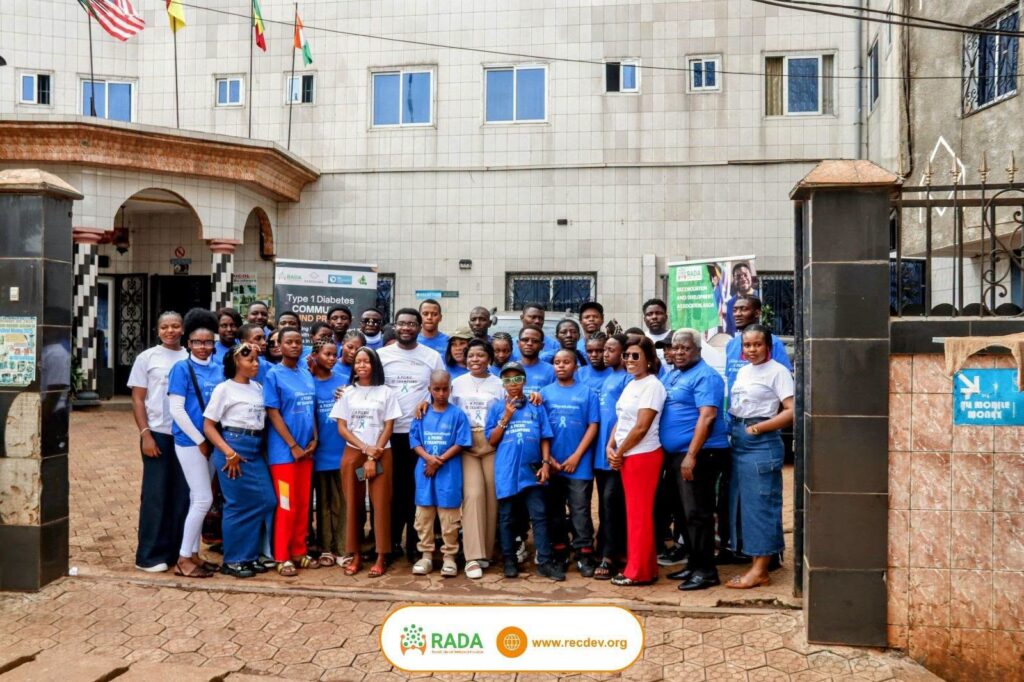
Children and Caregivers at Chefferie de Bapa
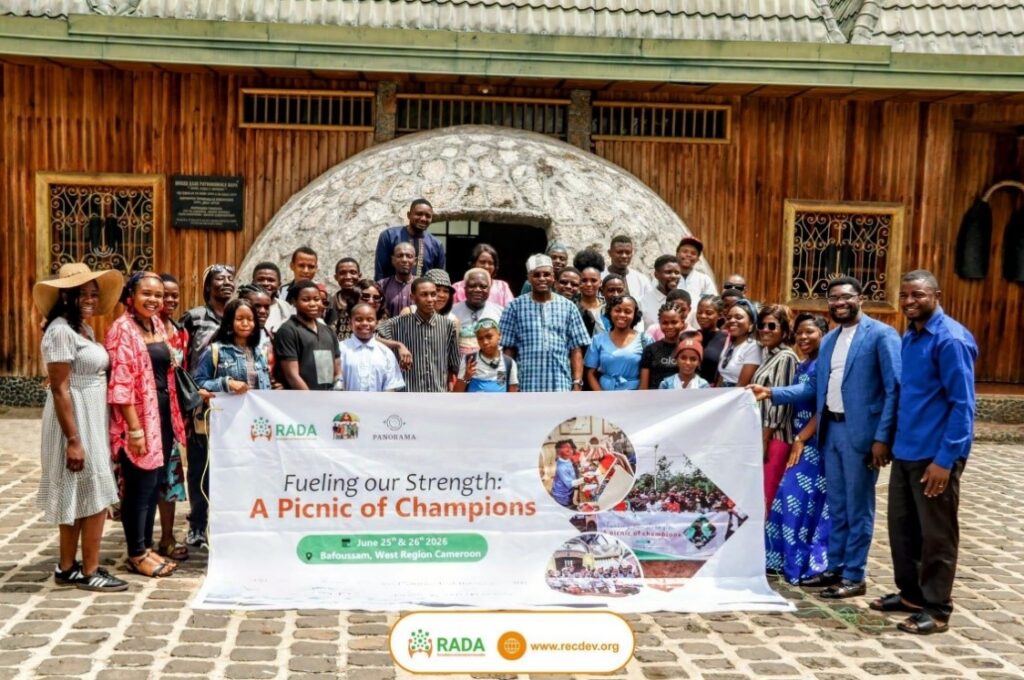
The Reconciliation and Development Association (RADA) answered that question with a resounding yes during its two-day Type 1 Diabetes Picnic of Champions, held in Baffoussam from the 25th to the 26th of June 2026 under the theme “Fueling Our Strength: A Picnic of Champions.” Organized with technical and financial support from Panorama Global through the Type 1 Diabetes Community Fund Project, the picnic brought together children and adolescents living with T1D and their caregivers for two days of learning, encouragement, recreation, and healing.
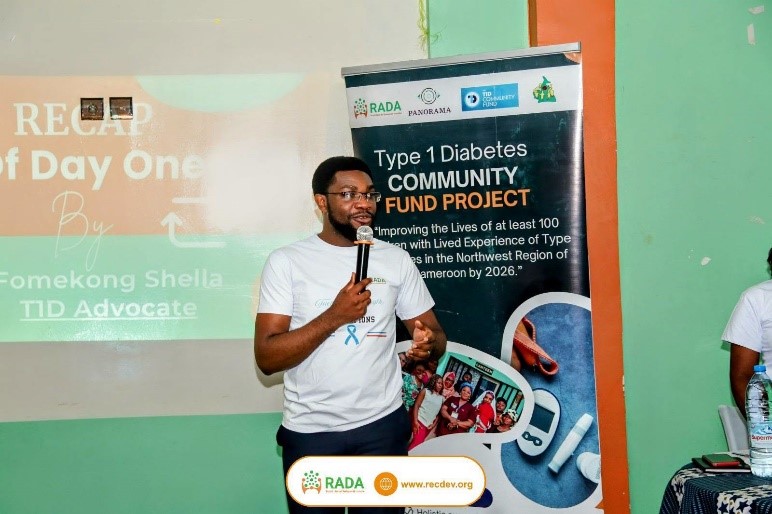
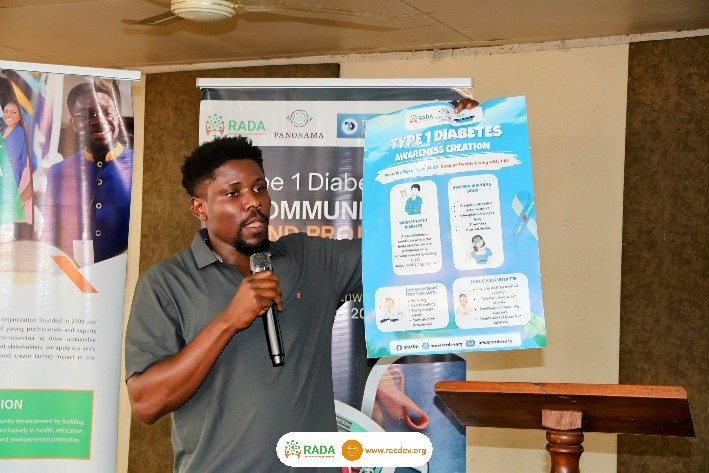
Mr. Ferdinant Sonyuy facilitating on “Managing T1D as a Family“
More than just a recreational outing, the picnic created a safe space where families discovered that they were not alone on their journey. Through diabetes education sessions, psychosocial support, peer interaction, and family-centered discussions, participants gained practical knowledge and renewed confidence to manage Type 1 Diabetes.
The picnic combined wellness and learning through morning fitness activities, routine blood glucose monitoring, diabetes conversations, nutrition education, emotional storytelling, art therapy, and family engagement sessions. These activities equipped both children and caregivers with practical skills while addressing the emotional and psychological challenges that often accompany the condition.
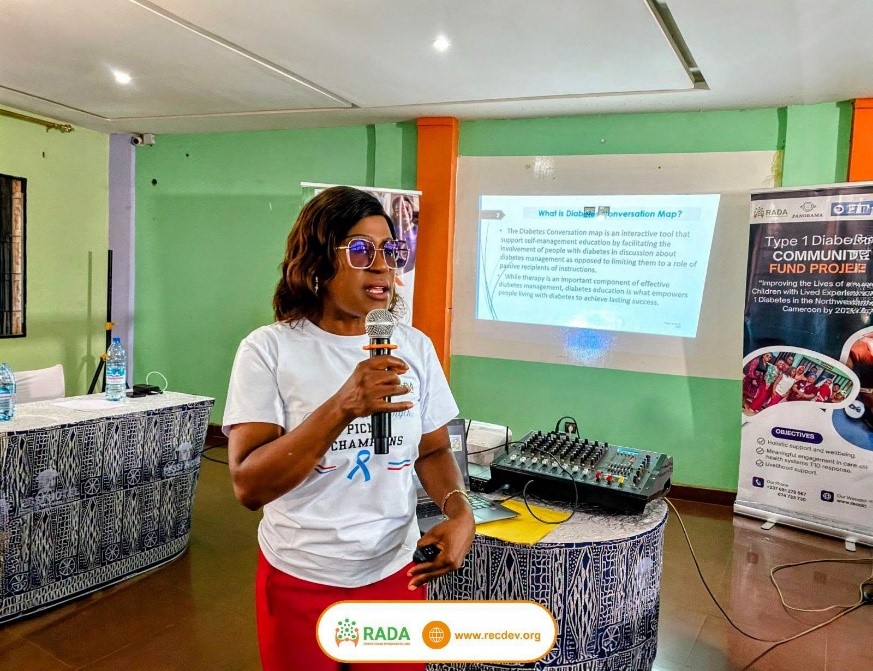
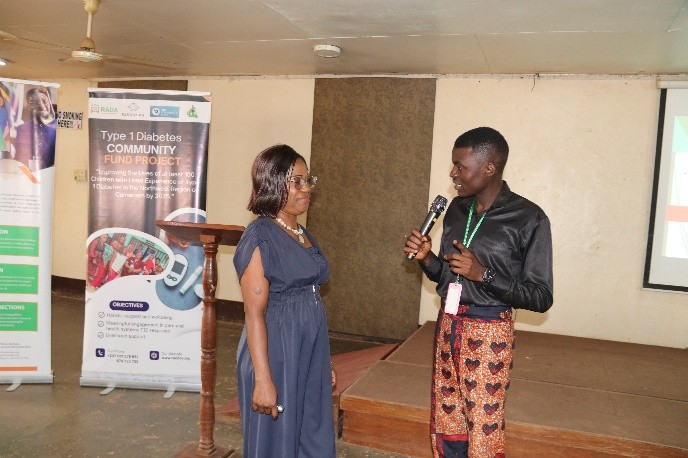
Mme. Nfor Claudette facilitated the session on “Diabetes Conversation Map”
One memorable highlight was an excursion to the Chefferie de Bapa museum and TAGIDOR Resort, where the children experienced the region’s rich cultural heritage and enjoyed moments of fun and relaxation. Beyond recreation, the outing reminded them that having Type 1 Diabetes does not limit their dreams or define who they are. For many participants, the greatest impact came from connecting with others who understood their daily experiences. Sharing personal stories, challenges, and victories fostered friendships, reduced feelings of isolation, and built a stronger support network among families. Reflecting on his experience, the Type 1 Diabetes Champion Gangbabga Nubela shared: “The new things I’ve learned through this picnic are that your feeding manner enhances the way you live with diabetes, and being together helps overcome our challenges.” His testimony echoed the experience of many participants who left the picnic with greater confidence, practical knowledge, and renewed hope for the future.
Children, Caregivers and RADA Team
Through its Diabetes Support Program, RADA intends to continue strengthening these support systems by raising awareness, building the capacity of families and healthcare providers, promoting peer support, and creating opportunities for children and young people living with Type 1 Diabetes to thrive. Learn more about RADA’s Diabetes Support Program and how you can support children Living with Type 1 Diabetes by Visiting Here to become a member.
Prepared by: Bidmia Christabel Bobnyonga.
TAXATION OF UNHEALTHY PRODUCTS IN CAMEROON: A STRATEGIC PATHWAY TO HEALTH AND SUSTAINABLE FINANCING
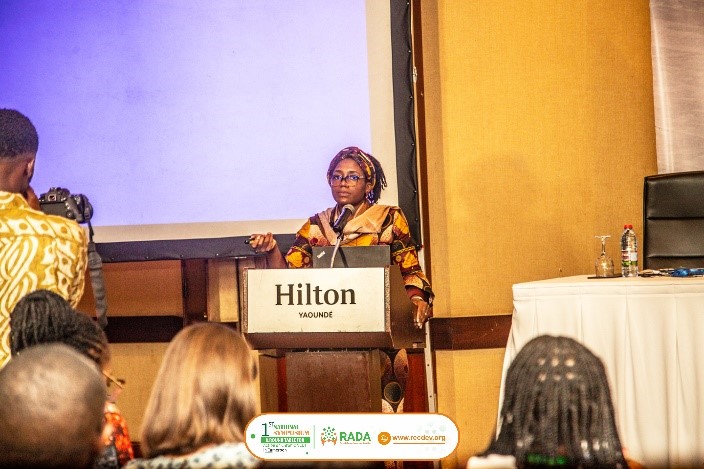
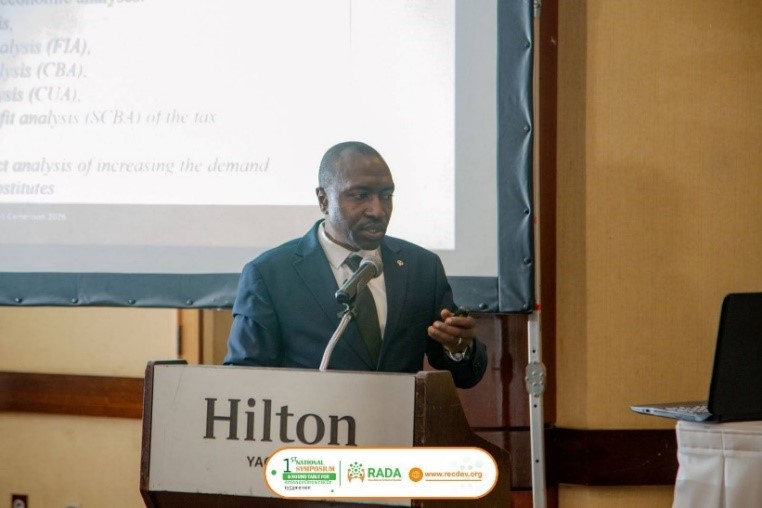
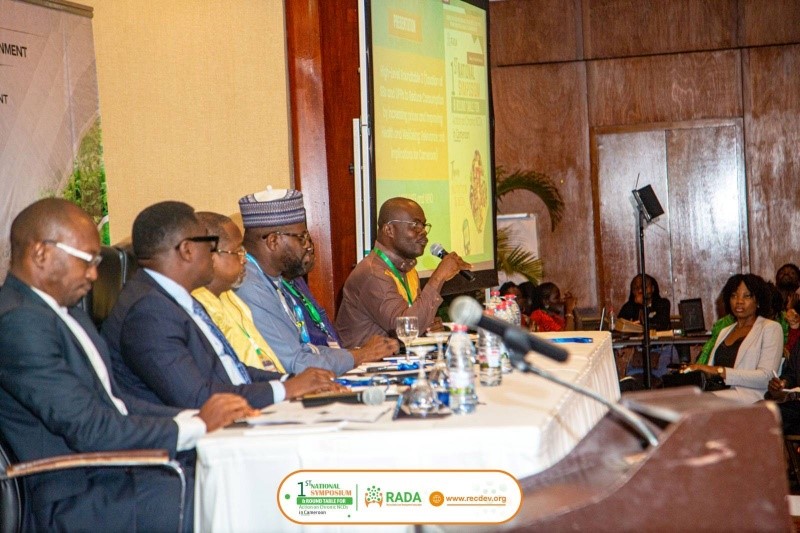
At the 1st National Symposium and Roundtable for Action on Chronic Non-Communicable Diseases (NCDs) in Cameroon, taxation emerged as a central pillar in advancing public health. Under the theme “Financing Health and Prevention through Fiscal Policies in Cameroon,” the discussions highlighted the urgent need to adopt effective fiscal measures to curb the rising burden of diet-related diseases. The symposium brought together policymakers, researchers, civil society actors, and international partners to examine how a tax increase on sweetened beverages (SBs) and ultra-processed products (UPPs) can simultaneously improve population health and generate sustainable revenue. Opening the session, Dr. Mapa Clarisse provided a comprehensive analysis of Cameroon’s health tax landscape. Her presentation underpinned the growing consumption of unhealthy products and the limited use of fiscal tools to address this trend. She emphasized that while Cameroon has made progress in health promotion, taxation remains underutilized as a preventive strategy. A key highlight of the symposium was the presentation by Ferdinant Sonyuy on evidence-based advocacy for Health Taxes in Cameroon, its objective, and considerations for health, revenue, and effective Tax designs. This presentation emphasized that taxation is one of the most effective strategies in public health. Drawing from global evidence, including insights from the World Health Organization (WHO), he stressed that meaningful impact requires bold action: “If a product is causing health problems, it cannot be taxed lightly.”
He emphasized that the primary objective of health taxation is to improve health outcomes not merely to generate revenue. However, when properly designed, such policies create a triple“win-win-win” scenario: reducing disease burden, lowering healthcare costs, and increasing government revenue to address broader development challenges. Sonyuy outlined key factors for effective tax design, including using appropriate tax structures, significantly increasing tax rates, linking price increases to reduced consumption, and targeting harmful products specifically. He also stressed the need for complementary regulations, such as restricting access to unhealthy products in schools and public institutions to better protect vulnerable groups.
The next presentation was on the Economic Benefits and Fiscal Implications of Taxation of SB and UPPs in Cameroon. From an economic perspective, Professor Ndamsa Dickson demonstrated that taxing unhealthy products can yield significant fiscal and health gains. By increasing the prices of sweetened beverages and ultra-processed foods, consumption patterns can shift toward healthier alternatives. At the same time, the additional revenue generated can be reinvested into the health system, supporting prevention and treatment of NCDs.
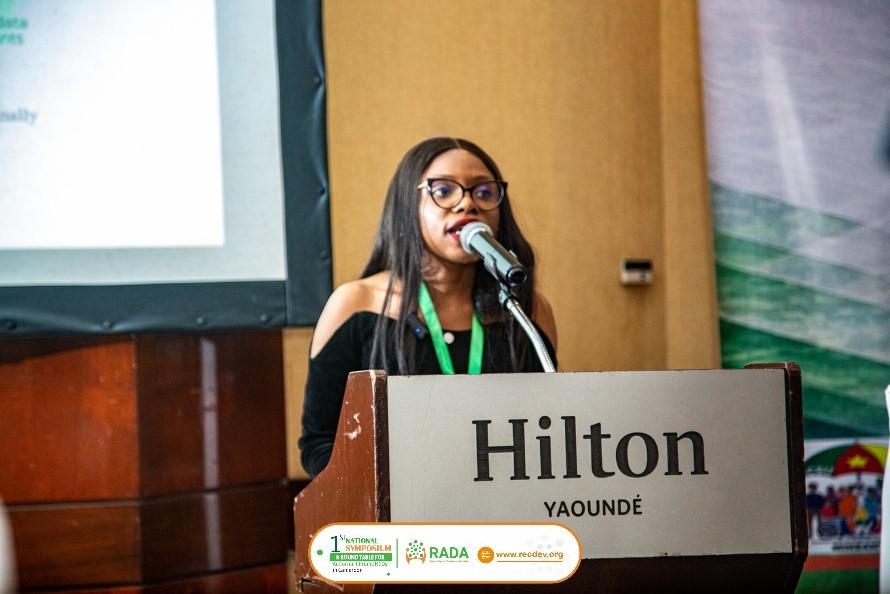
Evidence from the Knowledge, Attitudes, and Behaviors (KAB) study presented by Chenwi Claris revealed encouraging levels of public awareness and support for health taxes across nine regions of Cameroon. The findings suggest that, with proper communication and transparency, taxation policies are likely to gain public acceptance. A critical challenge discussed during the symposium was industry interference. Dr. Adeolu Adebiyi highlighted how vested commercial interests often resist regulatory measures through lobbying and misinformation. He called for strong political will, transparency, and safeguards to protect public health policies from undue influence.
The high-level roundtable that followed emphasized the relevance of taxation as a tool to reduce consumption of harmful products. Participants agreed that increasing prices through taxation is one of the most effective ways to influence consumer behavior and reduce NCD risk factors. The discussion also reinforced the need for intersectoral collaboration, particularly between health, finance, and trade sectors.
In conclusion, the second day of the symposium made it clear that the taxation of unhealthy products is not merely a fiscal measure but a public health necessity. Cameroon stands at a critical juncture where bold policy decisions can significantly reduce the burden of NCDs while strengthening domestic resource mobilization. Moving forward, success will depend on political commitment, sustained advocacy, and the ability to translate evidence into actionable policies. By leveraging taxation as a preventive tool, Cameroon can take a decisive step toward protecting its population while building a healthier future.
Prepared by: RADA’s Communication Team
Cameroon’s First National Symposium on NCDs Sets the Stage for Transformative Food Policy: A Strong Push for Front-of-Pack Labelling
Front-of-Pack Warning Labels (FoPWL) are rapidly emerging as a cornerstone policy in the fight against non-communicable diseases (NCDs), particularly in contexts where unhealthy diets are increasingly shaped by the widespread availability and aggressive marketing of ultra-processed foods. At the recent National Symposium and Round Discussion Table for Action on NCDs in Cameroon, the FoPWL took central stage as a high-impact, evidence-based intervention capable of transforming the country’s food environment. Stakeholders from government, academia, civil society, and international partners assembled on a shared understanding: empowering consumers with clear, visible, and scientifically grounded nutritional information is essential to enabling healthier choices and reducing the burden of diet-related diseases. As emphasized by Dr. Acha Evaristus in his opening session, “when evidence meets political will, policy action must follow,” underscoring the urgency of translating research into enforceable national policy.
Evidence presented during the symposium reinforced the effectiveness of Front of Package Warning labels in both influencing consumer behavior and driving industry reformulation. Global experience demonstrates that when designed using strong nutrient profiling models, made mandatory, and tailored to local contexts, these labels significantly reduce consumption of products high in salt, sugar, and unhealthy fats. In Cameroon, emerging evidence further underscores this urgency, with findings revealing that a significant proportion of food products exceed recommended thresholds without transparent disclosure. This reality reinforces a critical point raised during discussions: “healthy choices cannot be made in an unhealthy environment”, said Nicole Ide. Furthermore, warning labels are not merely informational; they actively shape market behavior, as highlighted by Nicole Ide, who noted that they serve as “catalysts for industry reformulation and public health protection.”
Despite the existence of regulatory frameworks such as the 2018 food safety law and earlier labelling guidelines, implementation remains a persistent challenge. Misalignment between policies, lack of clarity in operational guidelines, and limited enforcement mechanisms continue to constrain progress. Institutions responsible for standardization, public health, and market regulation each play vital roles, yet greater coordination and political commitment are required to translate policy intent into measurable outcomes. The symposium repeatedly echoed a defining message: “policies that are not implemented are policies that do not exist,” said Dr. Mba Camille, highlighting the gap between legislative development and real-world impact. Crucially, FoP warning labels were positioned not as a standalone solution, but as part of a broader, integrated strategy to address unhealthy diets. Complementary measures, including restrictions on the marketing of unhealthy foods to children, strengthened consumer protection frameworks, and targeted fiscal policies, were identified as essential to maximizing impact. Participants emphasized that sustained public education and inclusive implementation strategies are equally critical, particularly for small and medium-sized enterprises. As reflected in the roundtable discussions, Ferdinant M. Sonyuy said, “front-of-pack warning labels are only effective when supported by strong policies, public awareness, and accountability mechanisms,” reinforcing the need for a holistic and coordinated approach.
The path forward is clear. Cameroon possesses the technical evidence, stakeholder alignment, and institutional structures necessary to implement an effective FoPWL system. What is now required is decisive, coordinated action to operationalize these frameworks, safeguard them against competing interests, and ensure their implementation at scale. As aptly concluded during the symposium, “the cost of inaction will always be greater than the cost of action,” said Prof Mbanya during his key note address a powerful reminder that the time to act is now. Advancing Front-of-Pack Warning Labelling represents a critical opportunity to reshape the national food environment, protect public health, and demonstrate leadership in NCD prevention across the region.
Cameroon’s First Symposium & Round Table for Action on Non-Communicable Diseases.
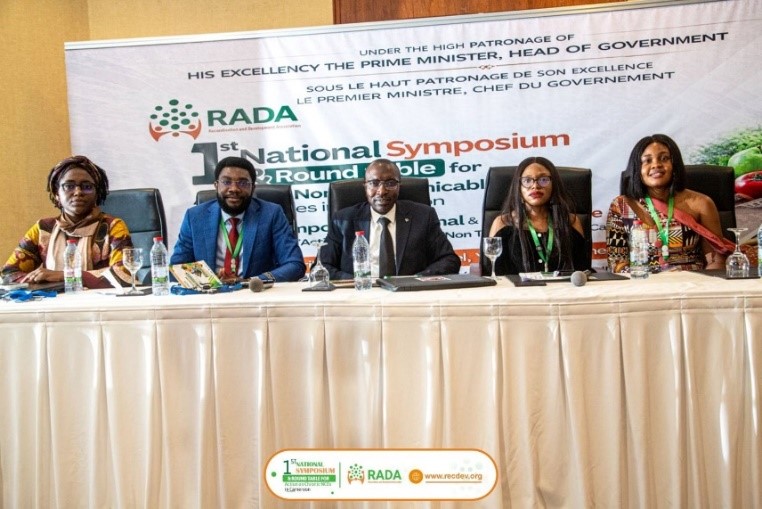
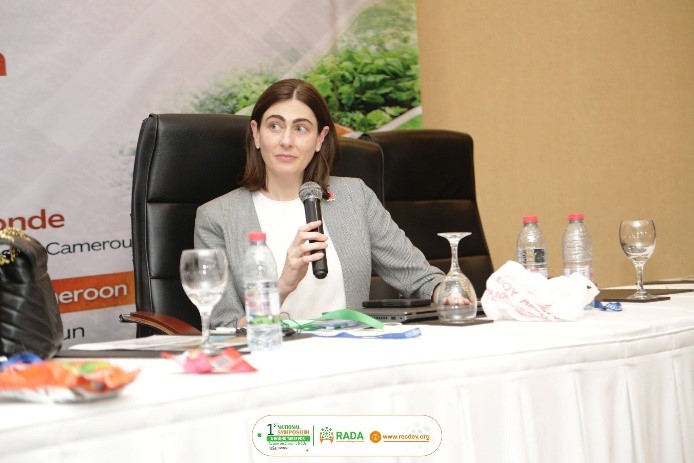
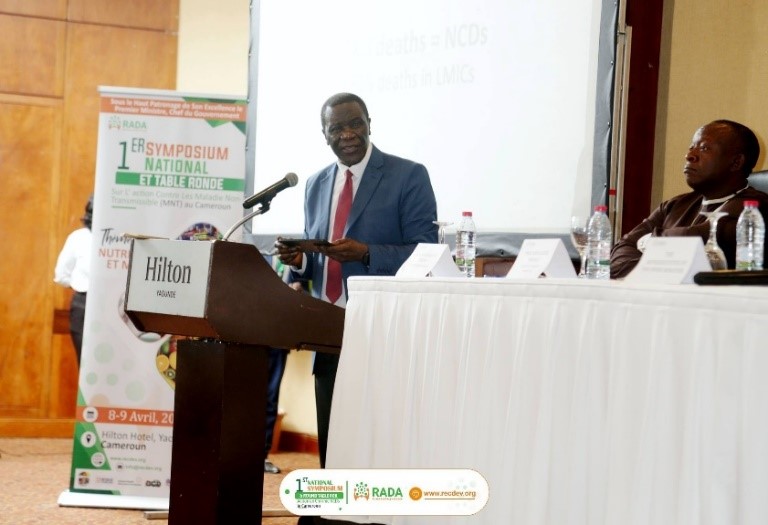
In a decisive step toward curbing Cameroon’s rising Non-Communicable Diseases (NCDs) burden, the Reconciliation and Development Association (RADA), under the patronage of His Excellency, the Prime Minister, Head of Government, organized the First National Symposium and Round Table for Action on Chronic NCDs in Cameroon on April 8–9, 2026, at the Hilton Hotel, Yaoundé. This two-day high-level forum brought together government institutions, civil society actors, academia, parliament, and international partners around two transformative policy mechanisms: Front-of-Pack Warning Labelling (FoPWL), Marketing Restriction Regulation, and Fiscal policy (Taxation of sweetened beverages and ultra-processed products).
With 43% of deaths in Cameroon now attributed to NCDs as of 2022, the symposium marked a transition from evidence generation to policy endorsement. Opening the symposium, RADA’s CEO Ferdinant M. Sonyuy set a clear tone: this was not another platform for discussion, but a moment for decisive policy action, and Dr. Acha Evaristus reinforced the message: “As medical personnel, we understand the power of policies to prevent NCDs. Clinical practice alone is not enough. All we need is the pen of the policymakers.” Prof. Jean-Claude Mbanya’s keynote presentation established the urgency, stating: “Diet is the major driver,” and warning policymakers that “Cameroon has policies that are never implemented. If no action is taken from today’s discussions, the cost of inaction will exceed the cost of action. Every delay increases the burden.”
Presentations and high-level roundtables confirmed institutional readiness and outlined implementation pathways, including advancing mandatory FoPWL, enforcing the 2018 Food Safety Law, enacting marketing restrictions to protect children, and redesigning fiscal policies to prioritize health outcomes. Evidence showed strong public support for health taxes, with 51.1% of Cameroonians in favor and 94.1% supporting the allocation of revenue to public health. Gaps in consumer awareness underscored the need to pair taxation with FoPWL and marketing restrictions. Key recommendations included transitioning to health-driven taxes, applying a 50% ad valorem tax to ultra-processed products exceeding nutrient thresholds, eliminating discount mechanisms, and earmarking revenue for NCD prevention and Universal Health Coverage.
In closing, Mr. Sonyuy reaffirmed RADA’s commitment to implementation, while the Prime Minister’s Representative stated: “The results of this symposium will be prepared and submitted to the Minister of Public Health, who will return it to the Head of State.” The symposium established that Cameroon’s evidence phase is a work in progress, and as Prof. Mbanya stated, “Every delay increases the burden.”
Spotlight on Impact: Celebrating NCD Champions at the 1st National Symposium and Roundtable for Action on Chronic NCDs in Cameroon.
April 9, 2026, was not only the closing ceremony of the 1st National Symposium and Roundtable for Action but also a moment to recognize champions who have supported RADA’s advocacy for the adoption of Healthy Food Policies in Cameroon. During this ceremony, one of the most defining and memorable moments of the 1st National Symposium and Roundtable for Action on Non-Communicable Diseases (NCDs) in Cameroon. This important segment was dedicated to recognizing outstanding individuals and institutions whose leadership, commitment, and contributions continue to shape Cameroon’s response to NCDs, particularly in policy development, research, advocacy, and health financing. The ceremony served not only as a moment of appreciation but also as a symbol of the collective effort required to combat the growing burden of NCDs in the country.
Among the distinguished honorees was Professor Jean Claude Mbanya, President of the Scientific Committee and chair of the Cameroon NCD Alliance. He was recognized for his exceptional contributions to scientific research and his enduring mentorship of young professionals in public health. His leadership has been instrumental in advancing evidence-based approaches to addressing NCDs in Cameroon. The inscription on his award read: “RADA, thank you for your enduring and endearing mentorship of young people in public health, and specifically for your active leadership in promoting Front-of-Package Warning Labelling, Marketing Restrictions, and Taxation of Unhealthy Food Products policies in Cameroon. Your continued and visible leadership will serve as an inspiring model for the region and the world.” This recognition explained the vital role of research, data, and mentorship in shaping effective and sustainable public health interventions.
Also honored was the Honorable Njume Peter, Head of the Parliamentary Caucus for Health Financing. He was celebrated for his unwavering commitment to strengthening health financing systems and supporting key legislative reforms aimed at improving the population’s health outcomes. His efforts have played a critical role in advancing policies, including fiscal measures such as the taxation of unhealthy products, highlighting the importance of parliamentary engagement in public health advancement.
In recognition of high-level of government commitment, a prestigious award was presented to His Excellency, the Prime Minister, Head of Government. This award acknowledged the government’s leadership in promoting preventive health policies and supporting initiatives aimed at reducing the burden of NCDs in Cameroon. The inscription on the award was: “Thank you for your active leadership in promoting Front-of-Package Warning Labelling, Marketing Restrictions and Taxation of Unhealthy Food Products policies in Cameroon. Your continued and visible leadership will serve as an inspiring model for the region and the world.”
An additional award was presented to Mr. Ihyong III, the Representative of the Prime Minister at the symposium, in recognition of his active participation and support for the initiative. His award carried a similar message of appreciation: “Thank you for your active leadership in promoting Front-of-Package Warning Labelling, Marketing Restrictions and Taxation of Unhealthy Food Products policies in Cameroon. Your continued and visible leadership will serve as an inspiring model for the region and the world.”
In addition, the symposium recognized the invaluable contribution of international partners through an award presented to Nicole Ide, representing Resolve to Save Lives. The recognition reflected the organization’s strong technical and financial support, via global leadership in advancing public health interventions in Cameroon. The inscription on the award read:“Thank you for your strong leadership, commitment, and support for the attainment of Front-of-Package Warning Labelling and Marketing Restrictions in Cameroon, advancing public health to save lives. Your leadership will continue to serve as an inspiring model to the world, and we are grateful.”
Overall, the award ceremony served as both recognition and motivation. By honoring leaders across academia, government, and international organizations, the symposium reinforced the importance of multi-sectoral collaboration in addressing NCDs.
Beyond celebrating individual achievements, the ceremony highlighted a shared national and global commitment to advancing effective policies, strengthening health systems, and promoting healthier environments. It stood as a powerful reminder that sustained leadership, strong partnerships, and bold action are essential to building a healthier future for Cameroon.
By: RADA’s Communication Team
Symposium on NCDs in Cameroon Rescheduled
The Reconciliation and Development Association, RADA, announces a change in schedule for its upcoming national event on non communicable diseases in Cameroon.
The First National Symposium and Round Table for Action on Non Communicable Diseases, earlier planned for March 18 to 19, 2026 at Hotel La Falaise, will no longer hold on those dates.
Event Dates and Venue
The symposium will now take place on April 8 and 9, 2026. The new venue is the Hilton Hotel in Yaounde. The event will be held under the High Patronage of the Prime Minister, Head of Government.
This update strengthens the scale and visibility of the event. It brings together key actors in health, policy, research, and civil society to drive action on NCDs in Cameroon.
Registration and Abstract Submission
All participants, researchers, and stakeholders should take note of the updated deadline.
Registration and abstract submission will close on March 25, 2026 at midnight.
Early registration remains important. It secures your participation and allows proper planning for sessions, presentations, and networking.
Non communicable diseases continue to rise in Cameroon. These include conditions such as diabetes, hypertension, cancer, and cardiovascular diseases.
This symposium aims to:
Share research and data on NCDs in Cameroon
Promote policy dialogue and action
Strengthen collaboration across sectors
Support prevention and control strategies
Participants will engage in high level discussions and practical sessions focused on solutions.
Call to Action
Register before the deadline. Submit your abstract if you are presenting. Share this update with your networks.
By: Commmunications Team, RADA
Training of Trainers on Type 1 Diabetes Awareness in the Northwest region of Cameroon
Day 1
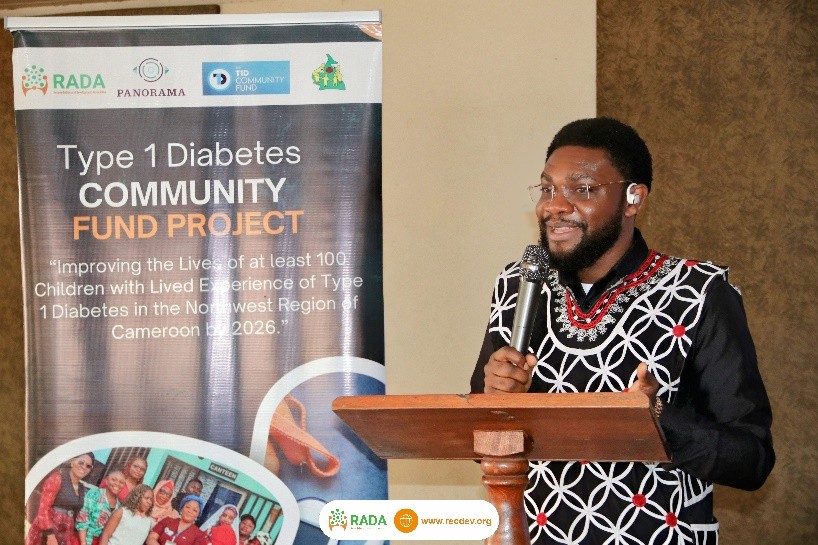
As part of the key activities for RADA’s Type 1 Diabetes (T1D) Community Fund Project, a training of community sensitizers on T1D was earmarked for February 2026. The first day of the Training of Trainers (ToT) on Type 1 Diabetes Awareness was nothing short of impactful. This training was made possible thanks to the technical and financial support from Panorama Global and the Type 1 Diabetes Community Fund.
The training held on February 18 2026 at the Baptist Conference Hall Nkwen, Bamenda, and brought together over 28 passionate participants committed to becoming champions of change in their communities. The atmosphere was marked by enthusiasm, dedication, and a shared commitment to saving lives through awareness and early diagnosis.
The training officially opened with inspiring remarks from the CEO and Project Director, Mr. Ferdinant Sonyuy, who called on participants to remain fully engaged in this life-saving mission. The Project Manager, Moffo Anaisse, followed by clearly outlining the goal of the training: to equip participants with the knowledge, skills, and practical tools needed to educate communities and support people living with Type 1 Diabetes.
Building Strong Foundations: Understanding Type 1 Diabetes
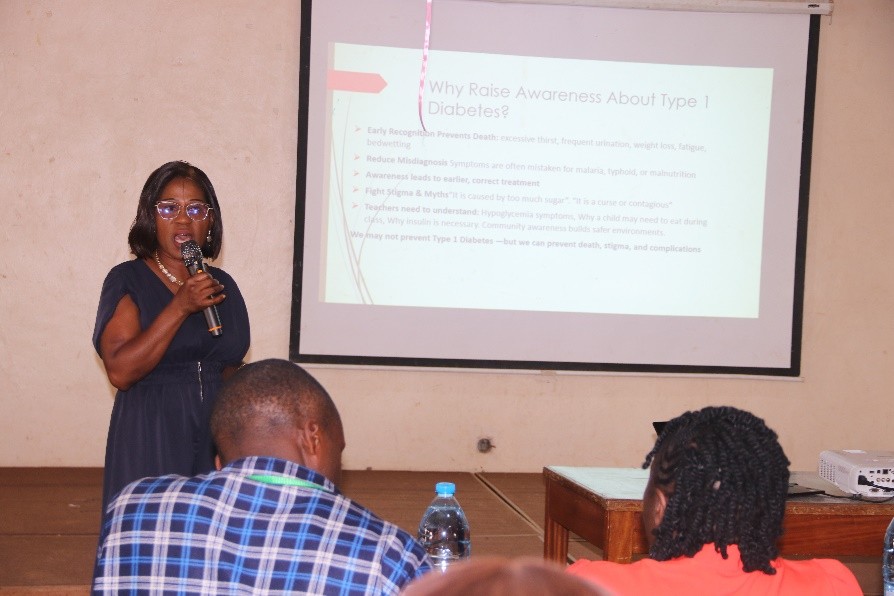
Module 1, facilitated by Mme Nfor Claudette, focused on the Basics of Type 1 Diabetes. Participants gained a clear understanding that Type 1 Diabetes is an autoimmune condition and not caused by lifestyle choices. While it cannot be prevented, early diagnosis and proper management are critical to saving lives.
Special emphasis were placed on recognizing warning signs such as:
• Frequent urination
• Excessive thirst
• Unexplained weight loss
• Persistent fatigue
Participants were reminded that timely action can prevent severe complications and improve survival, particularly among children.
Addressing Myths and Reducing Stigma
Module 2, led by Project Manager Moffo Anaisse, tackled common myths and misconceptions surrounding Type 1 Diabetes. Through interactive discussions, participants learned how to confidently debunk false information, reduce stigma, and promote accurate, life-saving messages within their communities.
Practical Strategies for Community Engagement
In another engaging session, Mr. Ferdinant Sonyuy guided participants through practical strategies for raising awareness on Type 1 Diabetes Mellitus. These included by;
• Engaging schools and church
.• Collaborating with community leaders
• Working with policymakers
The message was clear: awareness leads to early diagnosis, prevents complications, and improves survival rates, especially among children.
Hands-On Demonstration for Effective Outreach
The day also featured a practical demonstration led by Project Officer Temboh Yannick on the effective use of RADA health promotion materials. Participants learned how to strategically use posters and stickers to strengthen community sensitization efforts and maximize outreach impact.
The session concluded with motivating closing remarks from the CEO, who thanked participants for their dedication, active participation, and commitment to transforming knowledge into community action
In Conclusion, Day 1 laid a strong foundation for building a network of informed advocates ready to advance Type 1 Diabetes awareness and key takeaways.
By: Bidmia Christabel and Merveille Njantio
World pulses day
Theme of World Pulses Day 2022:
“Nutritious Seeds for a Sustainable Future”
Pulses are annual crops that yield between one and twelve grains or seeds. The term “pulses” is limited to crops harvested solely as dry grains, which differentiates them from other vegetable crops that are harvested while still green. Pulses are known as grain legumes. They are sustainable foods that can be stored for long and can contribute to increasing food security. Pulses grow in pods and come in a variety of shapes, sizes and colors. The United Nations Food and Agriculture Organization (FAO) recognizes 11 types of pulses: dry beans, dry broad beans, dry peas, chickpeas, cow peas, pigeon peas, lentils, Bambara beans, vetches and lupins. Others that are common for us here in Cameroon are, guinea corn, soya beans, “Koki” beans and many more.
They are a cheap, low fat source of protein, fibre, vitamins and minerals which are very necessary for health. It is an edible seed that grows in a pod. In 2019, approximately 83.4million tons of pulses were produced worldwide. To that effect the world observes international pulses day on February 10th. Pulses are the most widely cultivated legume in Africa. Hence is exported in great quantities to different countries, meanwhile it is one of the world’s most stable foods. They help to improve food security because as dried seeds, they can be stored for a long period of time without a decrease in nutrition.
Despite the high demand of pulses worldwide, its productive potential still remains very low. It is sad to know that in recent years farmers are constantly faced with a lot of risk and challenges but despite all these challenges farmers still continue cultivating this crop because they are an important part of a sustainable cropping system. It is to this reason that FOA celebrates February 10th as World Pulses Day, which is an opportunity to raise awareness on the nutritional benefits of pulses and their contribution to sustainable food systems and a world without hunger.
Based on this RADA says # YES TO INCREASE PRODUCTION OF NUTRITIOUS SEEDS LIKE PULSES AMONGST OTHERS FOR A SUSTAINABLE FUTURE#