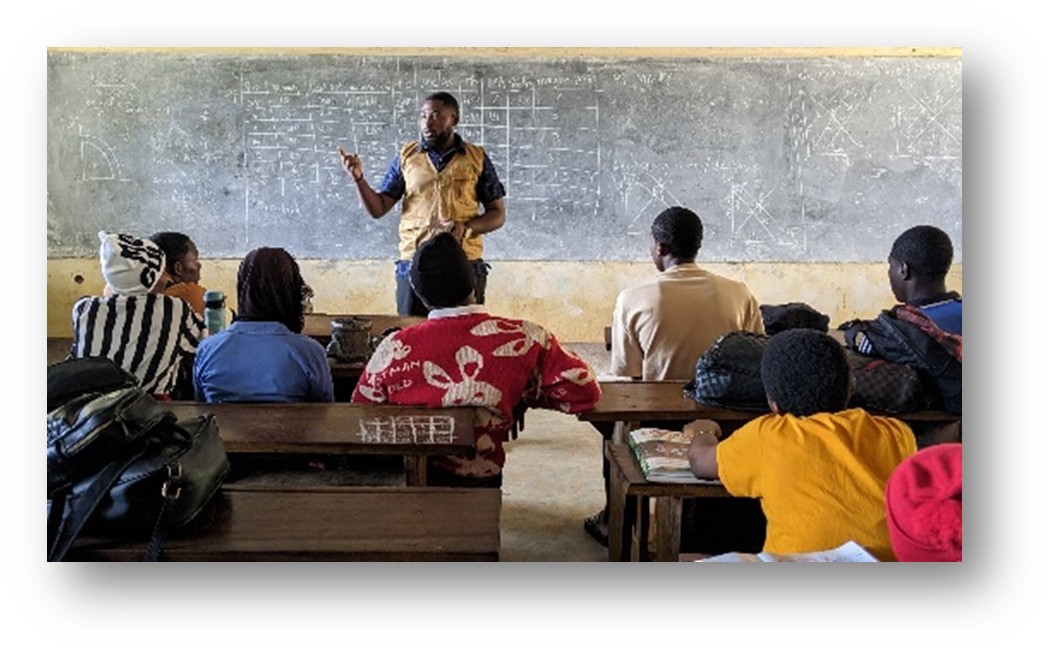
ACuBs seeks to achieve the aspirations of students, schools, and the community via clubs that improve academic excellence, thereby guaranteeing their future via hard work, mentorship, and community service.
Over the years, the Reconciliation and Development Association (RADA) has invested significantly in the educational and personal growth of young people through the establishment of Academic Clubs (ACUBs) in schools and communities. This initiative was created to support students beyond the classroom and to provide them with the tools, guidance, and motivation needed to excel academically and socially.
ACUBs seeks to achieve the aspirations of students, schools, and the wider community by promoting clubs that improve academic excellence and guarantee a brighter future through hard work, mentorship, and community service. Through this program, RADA has been able to create safe learning spaces where students are encouraged to develop confidence, leadership skills, and a strong sense of responsibility.
The clubs organize tutorial sessions, academic competitions, debates, reading programs, and career guidance activities. These actions have helped many students improve their grades, discover their talents, and develop a positive attitude toward education. Teachers and parents have testified to noticeable changes in discipline, commitment, and performance among students involved in ACUBs.
Beyond academics, the initiative also emphasizes values such as unity, reconciliation, and service to humanity. Members participate in community clean-ups, visits to vulnerable groups, and awareness campaigns, helping them understand that education is not only for personal success but also for the development of society.
Through mentorship provided by volunteers and professionals, students are guided to make informed life and career choices. Many beneficiaries have gained admission into higher institutions and vocational programs, becoming role models for others in their communities.
RADA remains committed to expanding Academic Clubs to more schools and strengthening existing ones. The success recorded so far confirms that when young people are supported with knowledge, mentorship, and opportunities to serve, they become powerful agents of change.